
Why does my crawl space stay wet after a storm in Chamberlayne
Your Chamberlayne crawl space stays wet after a storm because water has nowhere to drain and the soil can't dry on its own. Here's why it happens and how to fix it.
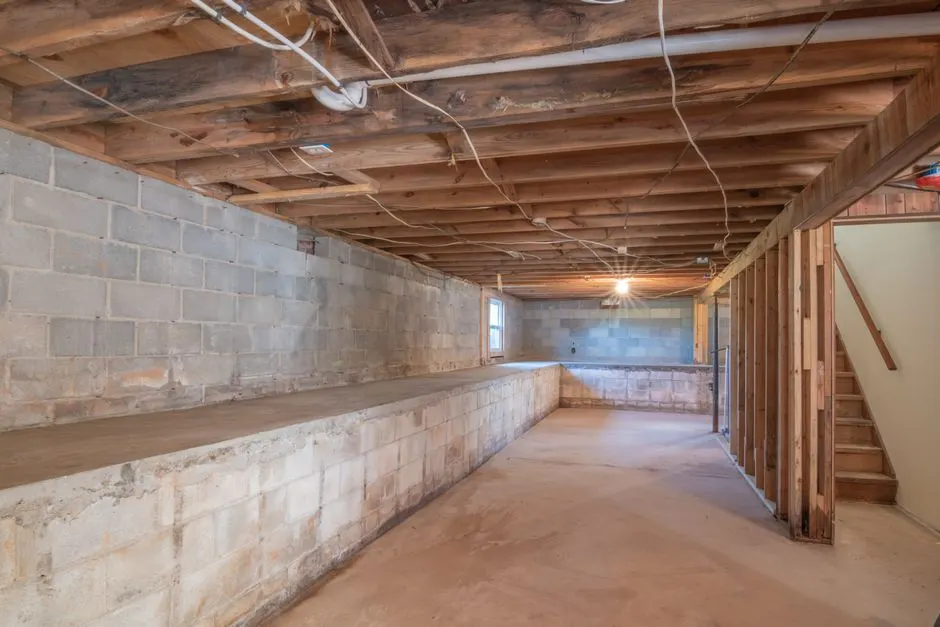
Your crawl space stays wet after a storm in Chamberlayne because the water that ran in has no way to drain back out, and the soil underneath stays saturated for days or weeks. A single heavy storm can push two to four inches of groundwater through the foundation vents and up through the soil, and once it is in, it sits. This post walks through the five reasons it lingers, how to dry it out safely, what it costs in 2026, and when to bring in help.
The short answer: why Chamberlayne crawl spaces hold water
Why does my crawl space stay wet after a storm in Chamberlayne is really a drainage question, not a rain question. The storm drops the water, but the crawl space keeps it because the grade around your house, the soil type, and the vents all work against you.
Chamberlayne sits on a mix of clay-heavy soil and older housing stock - a lot of the homes near Chamberlayne Avenue and Brook Road were built between the 1940s and 1970s with vented crawl spaces and no vapor barrier. Clay drains slowly. A vented crawl space is designed to let air move through, but in a storm it also lets water in. Add a downspout that dumps next to the foundation and you have created a bathtub under your floor.
If you have ever had us out for Storm Damage Restoration in Henrico, Virginia, you know we start every crawl space call the same way: find where the water came in, not just where it pooled.
The five reasons water lingers down there
Chamberlayne crawl space moisture after a storm almost always traces back to one or more of these five causes. We see them in combination more often than alone.
1. Poor grading and negative slope
If the ground slopes toward your foundation instead of away from it, every storm sends water straight to the house. The fix is a regrade to a minimum 6-inch drop over the first 10 feet, which is the standard most Henrico inspectors look for.
2. Clogged or short downspouts
A downspout that ends 12 inches from the foundation dumps roughly 12 gallons of water per minute during a hard rain right at your footing. Extend every downspout at least 6 feet away and keep the gutters clear.
3. Missing or failed vapor barrier
Bare soil releases moisture into the crawl space 24 hours a day. A 6-mil or thicker polyethylene vapor barrier over 100% of the floor cuts that evaporation dramatically. Many Chamberlayne homes still have none.
4. Foundation cracks and open vents
Hairline cracks in a block foundation wick water. Open foundation vents let wind-driven rain in sideways. Both are common after the nor'easters and summer thunderstorms that roll through Henrico.
5. Saturated soil that cannot drain
Clay soil holds water. After a two-day storm, the ground under your crawl space can stay saturated for a week or more, and that moisture keeps feeding the space even after the rain stops.
If you also had water come up through a floor drain or a fixture, that is a different problem - we handle that under Sewage Backup Cleanup in Henrico, Virginia because the water is contaminated and needs different handling.
How to dry out a crawl space after a storm in Chamberlayne
How to dry out a crawl space after a storm in Chamberlayne comes down to removing the standing water first, then moving air and pulling humidity out until the wood and joists read dry. Skip a step and the moisture comes back.
- Kill the power to the crawl space if any wiring or HVAC equipment is down there. Water and live circuits do not mix.
- Pump or extract the standing water. A utility pump handles a few inches; a truck-mounted extraction unit handles a flooded space in a fraction of the time.
- Remove soaked debris and insulation. Wet fiberglass and cardboard hold moisture and have to go.
- Set up air movers and a dehumidifier. You want the space down to 50% relative humidity or lower. That usually takes 3 to 5 days with commercial equipment.
- Treat for mold if the water sat more than 48 hours. Mold can start colonizing wet framing in 24 to 48 hours.
- Fix the entry point. Regrade, extend downspouts, seal cracks, and lay a vapor barrier so the next storm does not repeat the problem.
We do this work across the neighborhood and the wider area - you can see the full scope of our Water Damage Restoration in Henrico, Virginia services if you want to know what a full dry-out includes.
What it costs to remove and dry crawl space water in 2026
Crawl space water removal cost in Chamberlayne runs $500 to $1,500 for a small, accessible space, and $1,500 to $4,000 or more when the water is deep, the space is tight, or mold treatment is needed. Those are typical 2026 pricing ranges for this area.
Here is what drives the number up or down:
- Access. A 24-inch crawl hatch with a clear path is cheap to work in. A 16-inch hatch behind HVAC ductwork is not.
- Water volume. Two inches of standing water over 800 square feet is roughly 1,000 gallons to extract.
- Mold. Surface treatment on a small area is modest. Full remediation of joists and subfloor is a different job.
- Repairs. Crack sealing, vapor barrier, and regrading are separate line items.
Most homeowner policies in Virginia cover sudden storm-driven water intrusion, so the out-of-pocket number is often your deductible. We help with the paperwork - our Storm Damage Insurance Claim Assistance in Henrico, Virginia team documents the moisture readings, photos, and scope adjusters ask for.
Common mistakes that keep the moisture around
The biggest mistake we see in Chamberlayne is treating a wet crawl space like a wet basement - open the door, run a fan, wait it out. That does not work down there.
Other mistakes that keep crawl space moisture in Chamberlayne hanging around:
- Running a box fan and calling it drying. A box fan moves air but does not remove water. Without a dehumidifier pulling moisture out, you are just circulating damp air.
- Leaving wet insulation in place. It stays wet for weeks and holds moisture against the wood.
- Closing the vents in summer. In a vented crawl space, closing vents traps humidity. In an encapsulated space, they should already be sealed - do not mix the two approaches.
- Skipping the vapor barrier. Drying without a barrier means the soil re-wets the space within days.
- Ignoring the smell. That musty odor is mold and mildew. If you smell it a week after the storm, the space is still wet.
If the storm also took shingles off the roof, water can be running down the inside of the walls and into the crawl space from above. That is a Roof Leak Repair in Henrico, Virginia problem first, and the crawl space is the symptom.
When to call a professional
Call a professional when the water is more than an inch deep, when it has been sitting longer than 48 hours, when you smell mold, or when the space is too tight to work in safely. Those four conditions cover most of the calls we get in Chamberlayne.
Our team at BlueRidge Storm Response handles crawl space water removal, structural drying, mold treatment, and the repair work that keeps the water out next time. We find where it came in, get the space dry, and fix the cause - not just the puddle. If your neighbor in Chamberlayne had the same storm and the same wet crawl space, we have probably already been on their street.
Frequently Asked Questions
Why does my crawl space stay wet after a storm in Chamberlayne?
Water enters through vents, cracks, and poor grading, then has nowhere to drain because Chamberlayne's clay soil holds it. Without a vapor barrier and airflow, the space stays at 80% to 90% humidity for one to three weeks after a storm.
How do I dry out my crawl space after a storm in Chamberlayne Virginia?
Extract the standing water, remove wet debris and insulation, then run air movers and a dehumidifier until the space reads under 50% relative humidity. That usually takes 3 to 5 days. Treat for mold if the water sat longer than 48 hours.
Does insurance cover crawl space water removal in Chamberlayne?
Most homeowner policies cover sudden storm-driven water intrusion, which includes crawl space extraction and drying. Flood damage from rising water typically needs a separate flood policy. We document the loss so your adjuster has what they need.
How much does crawl space water removal cost in Chamberlayne?
Typical 2026 pricing is $500 to $1,500 for a small accessible space and $1,500 to $4,000 or more for deep water, tight access, or mold treatment. Crack sealing, vapor barrier, and regrading are separate line items.
Can I just wait for the crawl space to dry on its own?
No. A vented crawl space with bare soil and no airflow can stay damp for weeks, and mold starts growing on wet framing within 24 to 48 hours. Waiting is how a $700 dry-out turns into a $4,000 mold remediation.
Get help with Storm Damage Restoration in Henrico
A wet crawl space after a storm does not fix itself, and the longer it sits, the more it costs. BlueRidge Storm Response handles crawl space water removal, drying, and repair across Chamberlayne and the rest of Henrico.
Call us at (804) 375-6073 and we will get the water out and the space dry.