
Why is my basement flooding after heavy rain in West End
West End basements flood after heavy rain because of grading, gutter discharge, and sump failures. Here's how to find the cause and dry it out fast.
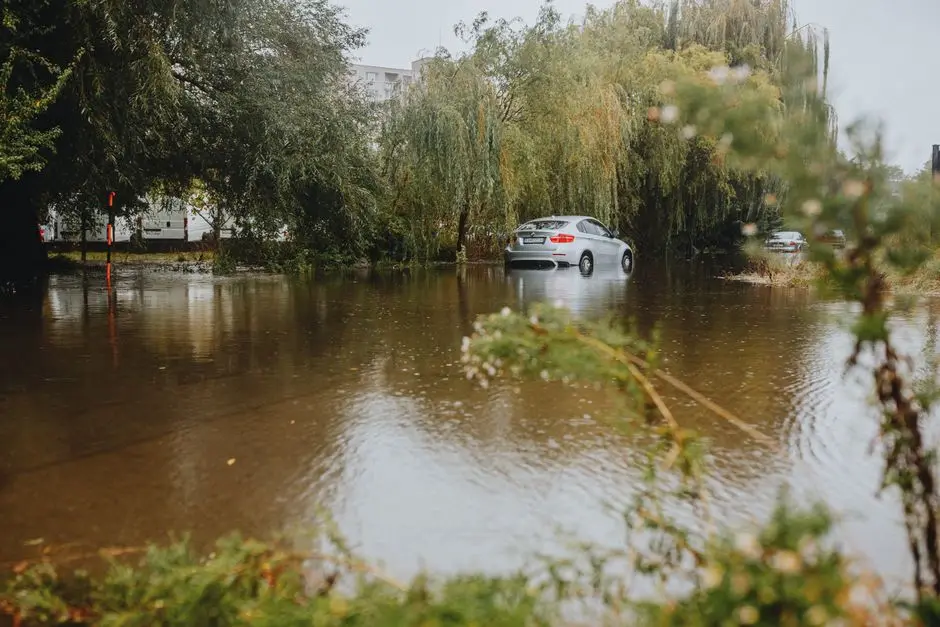
Your basement is flooding after heavy rain in West End because stormwater is finding a path in - through the soil around your foundation, a failed sump pump, a backed-up floor drain, or a crack in the wall - and once it's inside, it has nowhere to go. West End sits on heavy clay and sits low in spots, so a two-inch rain in an hour overwhelms drainage that handled a slow drizzle fine last month. The rest of this post walks through the actual causes we see in Henrico basements, how to stop them, and what to do in the first hour when water is already on the floor.
Why is my basement flooding after heavy rain in West End?
Basement flooding after heavy rain in West End is a drainage problem, not a basement problem. The water starts as rain on your roof and yard, and every step it takes toward your foundation is a chance for something to fail.
West End's soil is the root of most of it. The clay layer under neighborhoods like Tuckahoe, Three Chopt, and Short Pump holds water like a bowl. During a slow rain, that clay absorbs enough to keep your foundation dry. During a heavy rain - the kind that drops 1.5 to 3 inches in under two hours, which we get several times a year in Henrico - the clay saturates in the first 30 minutes. Every drop after that runs along the surface and against your foundation wall.
Hydrostatic pressure does the rest. Saturated soil pushes against your foundation at roughly 60 pounds per square foot of wall. That's enough to force water through hairline cracks, through the seam where the wall meets the floor, and through the porous block of older 1960s and 1970s West End homes. If your basement has ever smelled musty after a storm, that's the same water, just slower.
The six causes we find most often in West End basements
When we walk a flooded West End basement, the cause is almost always one of six things. Sometimes it's two of them working together.
1. Grading that slopes toward the house
Your yard should drop 6 inches over the first 10 feet away from the foundation. In older West End neighborhoods, decades of mulch, settling, and repaving have flattened that slope or reversed it. Water pools against the wall and seeps in at the base. This is the single most common cause we find, and the cheapest to fix.
2. Gutters and downspouts that dump at the foundation
A 1,500-square-foot roof sheds about 900 gallons of water in a 1-inch rain. If your downspouts end 12 inches from the foundation, all of that water lands in the same 4-foot strip of soil. Extend every downspout at least 6 feet from the wall, and 10 feet if your yard slopes back toward the house.
3. A sump pump that's undersized, clogged, or dead
Sump pumps last 7 to 10 years. Most West End homes we visit have one that's older than that, or one that's the wrong size for the volume of water coming in. A 1/3-horsepower pump moves about 2,400 gallons per hour at zero lift - that number drops fast as the discharge line rises. If your pump runs constantly during a storm and still loses ground, it's undersized.
4. A failed or missing check valve
The check valve keeps water in the discharge line from flowing back into the pit when the pump shuts off. When it fails, every cycle pumps water out and lets half of it back in. You'll hear the pump short-cycling every 30 to 60 seconds. That's a $40 part that saves a $4,000 cleanup.
5. Foundation cracks and floor-wall seams
Hairline cracks in poured concrete walls are normal and usually cosmetic. Cracks wider than 1/16 inch, or any crack that's actively weeping during a storm, are letting water in. The seam where the wall meets the floor is the most common entry point in block foundations.
6. A backed-up floor drain or sewer line
If the water in your basement is grey or smells like sewage, the problem isn't stormwater - it's a surcharged municipal line pushing back through your floor drain. That's a different fix and a different cleanup. We handle it as Sewage Backup Cleanup in Henrico, Virginia because the water is contaminated and the drying protocol is different.
How to stop basement flooding after heavy rain in West End
You can stop most basement flooding after heavy rain in West End with four fixes, in this order of cost and impact.
- Fix the grading. Add 4 to 6 inches of compacted clay soil against the foundation and slope it away at 6 inches per 10 feet. Cost: $300 to $900 for a typical West End lot.
- Extend downspouts. Add 6- to 10-foot extensions or bury them to a pop-up emitter 10 feet from the wall. Cost: $15 to $40 per downspout.
- Upgrade the sump system. A 1/2-horsepower primary pump with a battery backup runs $600 to $1,400 installed in 2026. Add a water-powered backup if you lose power often.
- Seal the entry points. Hydraulic cement for block walls, polyurethane injection for poured walls, and a new vapor barrier if the floor is bare. Cost: $800 to $2,500 depending on linear feet.
If your basement has flooded more than twice in the last three years, the fixes above are cheaper than the pattern. Two cleanups at $3,500 each is $7,000 - more than a full perimeter drain system.
What to do in the first hour of a basement flood
What you do in the first hour of a basement flood decides whether you're looking at a $1,200 drying bill or a $12,000 rebuild.
- Kill the power to the basement at the breaker before you step into standing water. If the panel is in the basement, call an electrician first.
- Photograph everything before you move it. Your insurance adjuster will want wide shots of the room, close-ups of the waterline on the wall, and photos of anything damaged.
- Get the water out. A wet/dry shop vac handles an inch or two. Anything deeper needs a submersible pump or a truck-mounted extractor.
- Start moving air. Box fans and a dehumidifier slow mold growth, but they don't dry a wall cavity. Mold can start colonizing wet drywall in 24 to 48 hours.
- Call your insurance company and open the claim the same day. Most policies require you to mitigate further damage, and documented fast action helps the claim.
If the water is more than ankle-deep, or if it's been sitting more than a few hours, the drying job is beyond fans and a shop vac. That's when you call us for Basement Flood Cleanup in Henrico, Virginia - we extract, dry, and document the loss in one visit.
Basement flood cleanup cost in West End
Basement flood cleanup cost in West End runs $1,800 to $6,500 for a typical 500- to 1,000-square-foot finished or semi-finished basement, based on 2026 pricing in this area.
Here's how that breaks down:
- Water extraction only: $500 to $1,200 for a few inches of clean water.
- Extraction plus structural drying: $1,800 to $3,500 for a 3- to 5-day dry-down with commercial dehumidifiers and air movers.
- Drying plus removal of wet drywall, carpet, and pad: $3,000 to $6,500.
- Mold remediation if the water sat more than 48 hours: add $1,500 to $4,000.
Most homeowner policies in Virginia cover sudden and accidental basement flooding from a storm-driven event, but not gradual seepage. If your basement has been damp for months, that's a maintenance issue and the claim will likely be denied. If a storm pushed water in overnight, that's usually covered.
Common mistakes we see homeowners make
The mistakes we see most often in West End basements turn a small cleanup into a big one.
- Waiting a day to call. Mold starts in 24 to 48 hours. Every hour of delay raises the cost.
- Running a shop vac and calling it done. The floor looks dry, but the wall cavity and the baseplate stay wet for weeks.
- Throwing out wet items before the adjuster sees them. You can't claim what you can't show.
- Sealing cracks from the inside without fixing the water source. Hydrostatic pressure will find the next weak point.
- Skipping the sump pump test. Pour a 5-gallon bucket into the pit and time how long the pump takes to clear it. If it's over 30 seconds, the pump is tired.
When to call a professional
Call a professional when the water is deeper than 2 inches, when it's contaminated, when the flooded area is larger than 100 square feet, or when you can't find the source after a basic walk-around.
We handle all of it - extraction, structural drying, mold prevention, and the insurance paperwork. Our team works across Henrico, including the older homes in the Tuckahoe area where block foundations and mature trees make water intrusion a recurring problem. We also handle the roof and gutter side of storm damage when the water is coming from above, not below.
If you want the full picture of what we do after a storm, our Storm Damage Restoration in Henrico, Virginia page covers everything from emergency board-up to final walkthrough.
Frequently Asked Questions
Why is my basement flooding after heavy rain in West End?
Because saturated clay soil around your foundation pushes water through cracks, floor seams, and failed drainage. West End's clay holds water for hours after the rain stops, so the flooding often peaks 2 to 4 hours after the storm passes. A failed sump pump or clogged downspout makes it worse.
How do I stop basement flooding in West End Virginia?
Fix the grading so soil slopes 6 inches away over 10 feet, extend downspouts 6 to 10 feet from the wall, and upgrade to a 1/2-horsepower sump pump with a battery backup. Those three fixes stop about 80% of the flooding we see. Seal cracks last.
Does insurance cover basement flooding in West End?
Most homeowner policies cover sudden storm-driven flooding, including extraction and drying, but exclude gradual seepage and sewer backup unless you added that endorsement. Document everything with photos before you move it, and file the claim the same day. Standard policies in Virginia do not cover flood-zone water.
How long does basement flood cleanup take?
Extraction takes 2 to 4 hours. Structural drying runs 3 to 5 days with commercial equipment. If we have to remove wet drywall and carpet, add 1 to 2 days for removal and rebuild. You can usually be back in the space within a week.
Can I just dry my basement with fans?
Fans and a dehumidifier handle a small spill, not a storm flood. A wet wall cavity holds water for weeks and mold starts in 24 to 48 hours. If the water was more than an inch deep or sat overnight, you need commercial drying equipment and moisture meters to confirm the structure is dry.
Get help with Storm Damage Restoration in Henrico
If your West End basement is wet right now, we can be there today with extraction and drying equipment. Call BlueRidge Storm Response at (804) 375-6073 and we'll get the water out, dry the structure, and document the loss for your claim.