Mold Remediation After Storm
Mold Remediation After Storm in Henrico, Virginia
Mold Remediation After Storm in Henrico, Virginia is the containment, removal, and drying process that stops storm-driven mold from spreading through your home. When a roof leak, flooded basement, or sewage backup soaks your drywall and insulation, mold can colonize in 24 to 48 hours. We handle storm mold removal in Henrico with IICRC-certified crews, moisture meters, and thermal imaging cameras, and we work directly with your insurance claim.
Service overview
Mold Remediation After Storm in Henrico, Virginia
Mold Remediation After Storm in Henrico, Virginia is a structured restoration service that finds hidden water damage, contains active mold growth, removes contaminated materials, and dries the structure back to safe moisture levels. Storm events push water into places you cannot see: behind drywall, under plywood subfloors, inside wall cavities, and across attic insulation. We use moisture meters and thermal imaging cameras to map every wet zone before we cut a single panel, then we set containment barriers and negative air pressure so spores do not migrate into clean rooms.
Henrico sits in a humid mid-Atlantic climate where summer storms, tropical remnants, and winter ice events all drive water into homes. In older neighborhoods like Lakeside and Highland Springs, aging roofing felt and flashing fail first, and water wicks into lumber and insulation for days before a stain shows on the ceiling. If you are searching for mold remediation after storm near me Henrico, the clock matters. We respond 24/7, tarp the roof if it is still leaking, and start drying the same day so mold never gets a foothold.
Practical benefits
Why Henrico Homeowners Call Us First
Storm mold spreads fast, and the damage compounds every day you wait. Here is what you get when you call us instead of a general handyman.
Mold Stopped in 24-48 Hours
Mold colonies can start within 24 to 48 hours of a storm soaking your drywall or insulation. We mobilize 24/7, tarp active roof leaks, extract standing water, and begin structural drying the same day. Most Henrico jobs reach dry standard in three to five days with air movers and dehumidifiers running around the clock.
Insurance Paperwork Handled
We document every affected room with moisture readings, thermal images, and photo logs formatted for Xactimate, the estimating software most carriers use. That means your adjuster sees line-item scope instead of a vague invoice. We have walked hundreds of Henrico storm claims through approval, from roof leak repairs to full basement flood cleanup.
Hidden Water Found First
A dry ceiling does not mean a dry wall cavity. We use thermal imaging cameras and pin-type moisture meters to trace water behind drywall, under plywood, and inside insulation batts. Finding the hidden water damage before we close walls is what keeps mold from coming back six weeks later.
Licensed, Insured, Code-Correct
We hold a Virginia Class A Contractor License and carry IICRC WRT and ASD certifications, so the drying and remediation follow the S500 and S520 standards your insurance carrier recognizes. Every rebuild uses code-compliant materials, from roofing felt and flashing to drywall and sealant, and we warranty our work.
How service works
Our Mold Remediation Process
Every job follows the same five-step sequence. You will know what happens, who is doing it, and how long each phase takes before we start.
STEP 01
Emergency Call
You call (804) 375-6073 and describe what happened: roof leak, flooded basement, sewage backup, or storm-driven window breach. We ask about the water source, how long it has been wet, and whether you smell that musty odor. A crew is dispatched 24/7, usually arriving within 60 to 90 minutes for emergency calls in Henrico.
Tools and methods
Tools and Methods We Use
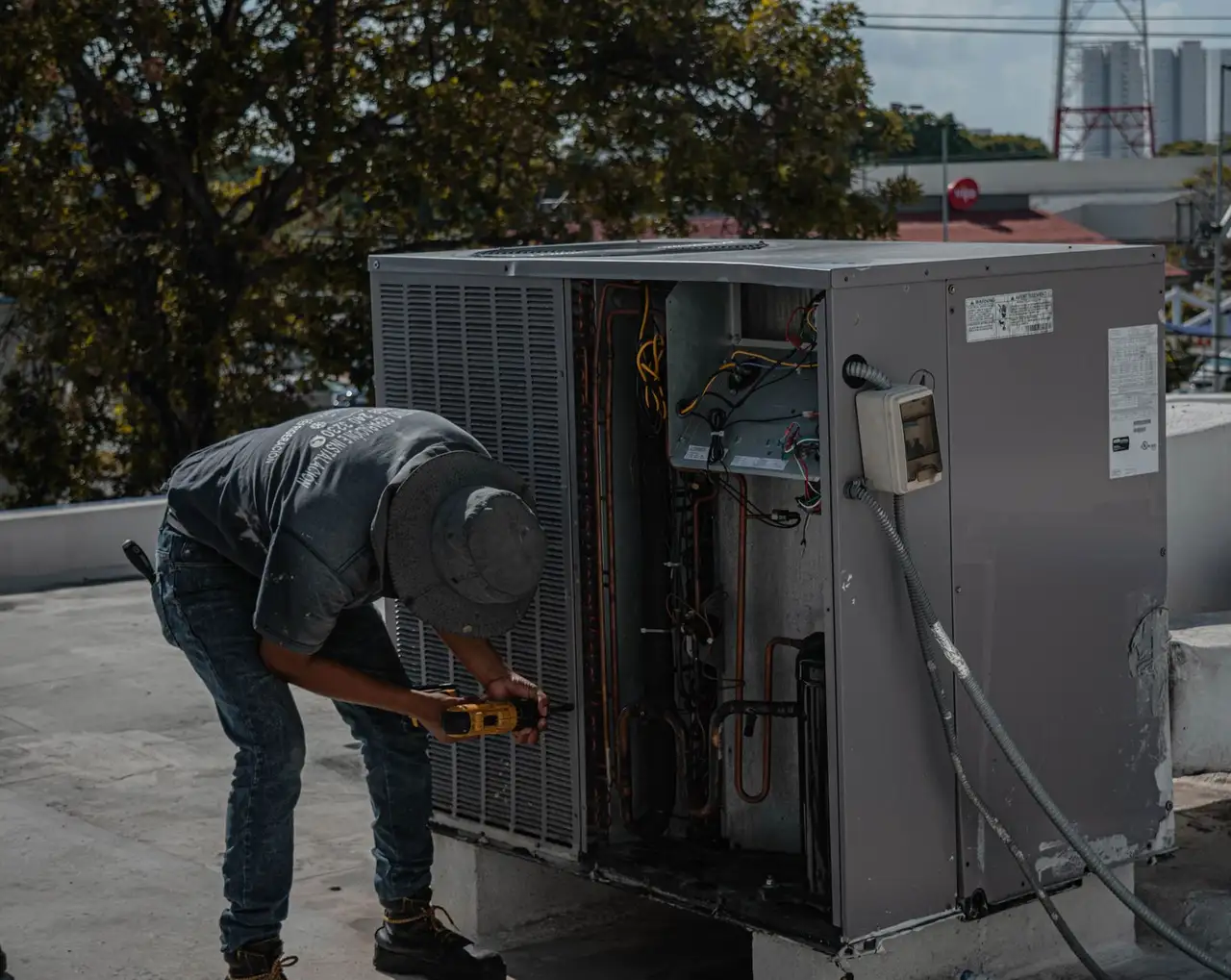
Thermal Imaging Camera
Detects temperature differences behind drywall and under flooring to locate hidden water damage without tearing out walls. Essential for finding storm leaks that do not show visible stains.
Pin-Type Moisture Meter
Measures actual moisture content in drywall, lumber, and subfloor. We use it to establish dry standard and confirm when materials are ready for rebuild.
Dri-Eaz and Phoenix Dehumidifiers
Low-grain refrigerant and desiccant dehumidifiers pull moisture out of the air so wet materials can dry. We size the equipment to the cubic footage of the affected space.
Air Movers
High-velocity fans create airflow across wet surfaces to accelerate evaporation. We position them to reach wall cavities, subfloors, and crawl spaces.
Industrial Wet/Dry Vacuum
Extracts standing water and pulls debris out of wall cavities after demolition. Used with HEPA filtration when mold spores are present.
Roof Tarp and Plywood
Seals roof breaches and broken windows to stop water intrusion before interior work begins. The first step in every emergency response.
Drying Mat
Forces dry air under hardwood flooring to remove moisture without removing the floor. Saves the cost of replacing finished wood.
IICRC S500 Water Damage Standard
The S500 standard defines how to classify water losses, set drying goals, and verify dry standard. We follow it on every job so the documentation holds up to insurance scrutiny and the structure is genuinely dry, not just surface-dry.
IICRC S520 Mold Remediation Standard
The S520 standard governs containment, removal, and clearance for mold projects. We follow it to keep spores from spreading during removal and to verify that the space is clean before we rebuild.
Xactimate Estimating
Xactimate is the estimating platform most insurance carriers use. We write our scopes in Xactimate format so your adjuster sees line-item detail instead of a vague invoice, which speeds up claim approval.
Negative Air Containment
We seal the work area with plastic barriers and run HEPA air scrubbers to create negative pressure. This keeps mold spores inside the containment zone instead of drifting into clean rooms.
EPA-Registered Antimicrobial Treatment
After removal, structural wood and concrete get treated with an EPA-registered antimicrobial to stop any remaining spores from colonizing. This is the step that prevents mold from coming back after the rebuild.
Where this service fits
When You Need Mold Remediation After a Storm
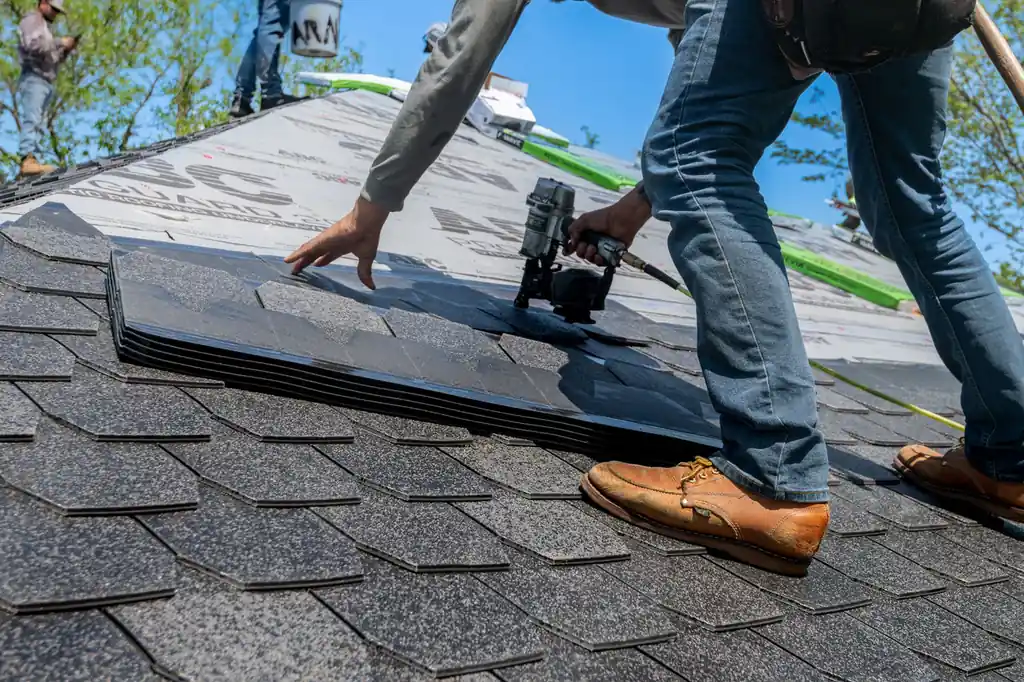
A summer thunderstorm tears shingles off your roof and rain runs down inside the wall for two days before you notice the ceiling stain.
We tarp the roof the same day, trace the water path with thermal imaging, and open the wall to check for mold. If growth is present, we contain the area, remove the affected drywall and insulation, and dry the framing with air movers and dehumidifiers. The wall is dry, mold-free, and rebuilt to match in five to seven days. Insurance covers the roof repair and the interior remediation under one claim.
A tropical storm dumps six inches of rain and your basement floods through a failed sump pump, leaving two inches of standing water across 400 square feet.
We pump out the water, remove saturated carpet and baseboards, and set drying equipment. Mold on the lower drywall gets remediated with HEPA vacuums and antimicrobial treatment. We document everything for your adjuster in Xactimate format. The basement hits dry standard in four days, mold is cleared, and the rebuild is finished within two weeks. Your claim is approved without back-and-forth.
A winter ice storm cracks a window seal and meltwater drips into the wall cavity behind your living room trim for a week before you smell the musty odor.
We repair the window seal, then use a moisture meter and thermal camera to map the wet zone. The affected drywall and insulation come out, the framing gets treated, and we dry the cavity with directed air movers. The musty odor is gone, the wall is dry, and the trim is reinstalled in six days. No mold returns because the water source was fixed first.
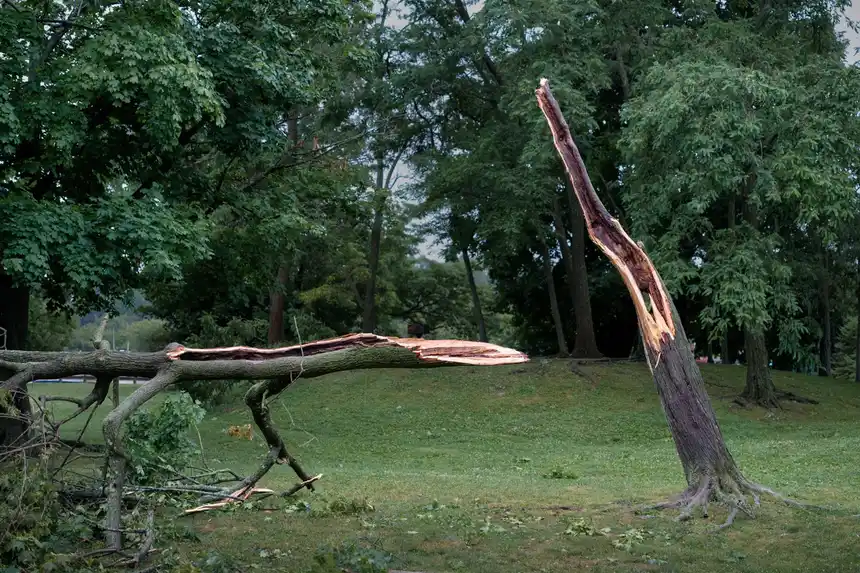
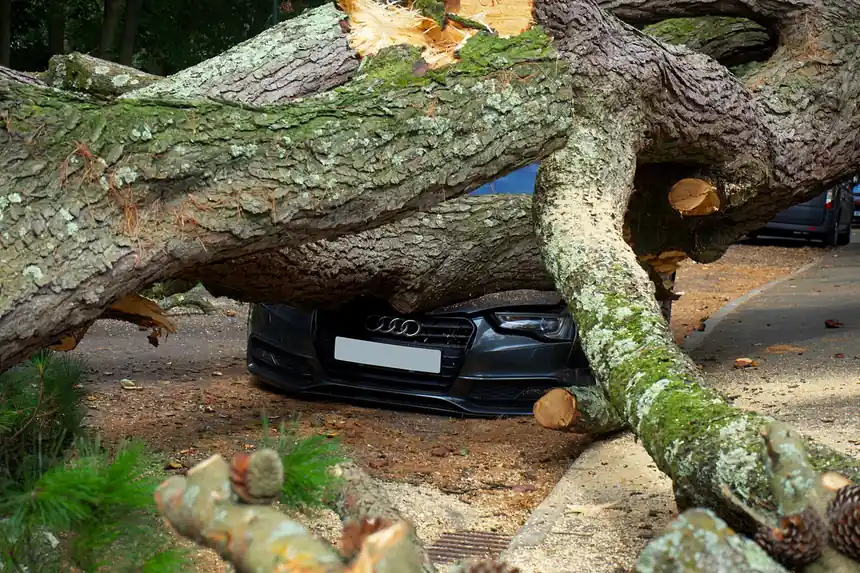
A storm drops a tree limb through your roof and into the attic, and rain soaks the insulation and ceiling joists for three days before the tree is removed.
We remove the limb, tarp the breach, and start extraction and drying immediately. Saturated insulation is removed, joists are dried and treated, and any mold growth on the sheathing is remediated before the roof is permanently repaired. The attic is dry and mold-free in five days, and the roof repair is completed the following week. The whole scope is documented for your insurance claim.
Local execution
How Mold Remediation Runs in Henrico
Henrico's climate is the biggest driver of storm mold. Summers are humid, afternoon thunderstorms dump heavy rain fast, and tropical remnants push moisture through the region in late summer and fall. Winter ice storms crack flashing and window seals, and spring rains soak crawl spaces. The housing stock matters too: older homes in Lakeside, Highland Springs, and Varina often have aging roofing felt and flashing that fail first, while newer construction in Short Pump and Wyndham has tighter envelopes that trap moisture when a leak does get in. We follow Virginia Class A Contractor License requirements on every rebuild, and we use EPA Lead-Safe practices in pre-1978 homes. If you are looking for 24/7 mold remediation after storm in Henrico Virginia, we run crews around the clock during storm events. Most calls come from flooded basements, roof leaks, and crawl space water, and we handle each one with the same IICRC S500 and S520 standards.
Short Pump
Newer construction with tight envelopes. Storm leaks often go unnoticed until a musty odor appears, because the vapor barrier traps moisture inside the wall cavity.
Highland Springs
Older housing stock with aging roofing felt and flashing. Roof leaks are the most common source of attic and ceiling mold after a storm.
Varina
Low-lying areas near the river flood more often. Basement and crawl space mold is common after heavy rain events.
Glen Allen
Mix of older and newer homes. Siding and window leaks after wind storms are a frequent source of wall cavity mold.
Lakeside
Mature tree canopy means more fallen limbs and roof punctures. Tree removal and tarping are often the first step before remediation.
Humid summers with heavy afternoon thunderstorms
Rain falls fast and overwhelms gutters and flashing. Water enters wall cavities and crawl spaces, and high humidity slows drying, so we run dehumidifiers longer to hit dry standard.
Tropical storm remnants in late summer and fall
Sustained rain saturates the ground and pushes water into basements and crawl spaces. These events generate the largest mold remediation jobs we see in Henrico.
Winter ice storms cracking flashing and seals
Ice dams and freeze-thaw cycles open small gaps that leak slowly for weeks. Slow leaks feed hidden mold that is not visible until the ceiling stains.
Older housing stock with aging roofing materials
Homes built before 1980 often have original flashing and roofing felt that fail first in a storm. We use EPA Lead-Safe practices when remediating these homes.
Problems we solve
Storm Mold Problems We Solve in Henrico
Storm mold is not just a smell. It is a structural problem that gets worse every day. Here are the most common issues we fix for Henrico homeowners after a storm.
Musty odor with no visible mold
We use thermal imaging cameras and pin-type moisture meters to trace the source without tearing out walls blindly. Once we find the wet zone, we open it, contain it, and remove the mold growth. Most hidden-growth jobs are resolved in four to six days. Hidden mold behind drywall or under flooring releases spores into the air, triggering allergies and worsening asthma. By the time you smell it, colonies are usually established.
Roof leak soaking attic insulation
We tarp the roof if it is still leaking, remove saturated insulation, and dry the joists and sheathing with air movers and dehumidifiers. Once dry, we remediate any mold on the wood and coordinate the permanent roof repair. Wet insulation loses R-value and holds moisture against ceiling joists, feeding mold that spreads into the living space below. A slow leak can soak a 100-square-foot area before a ceiling stain appears.
Flooded basement with sewage backup
We pump out standing water, remove contaminated materials, and disinfect every surface with EPA-registered products. Then we dry the structure to IICRC standards and remediate any mold on the joists, framing, or concrete walls. Category 3 water carries bacteria and fungi that colonize porous materials within 24 hours. Drywall, insulation, and carpet in a flooded basement almost always have to be removed.
Crawl space mold spreading into living space
We extract standing water, install a vapor barrier if needed, and dry the joists and subfloor with dehumidifiers. Mold on the wood structure gets HEPA-vacuumed and treated. Most crawl space jobs take five to eight days. Mold in a crawl space travels upward through the stack effect, pulling spores into your living areas. Wood joists can lose structural strength if decay sets in alongside the mold.

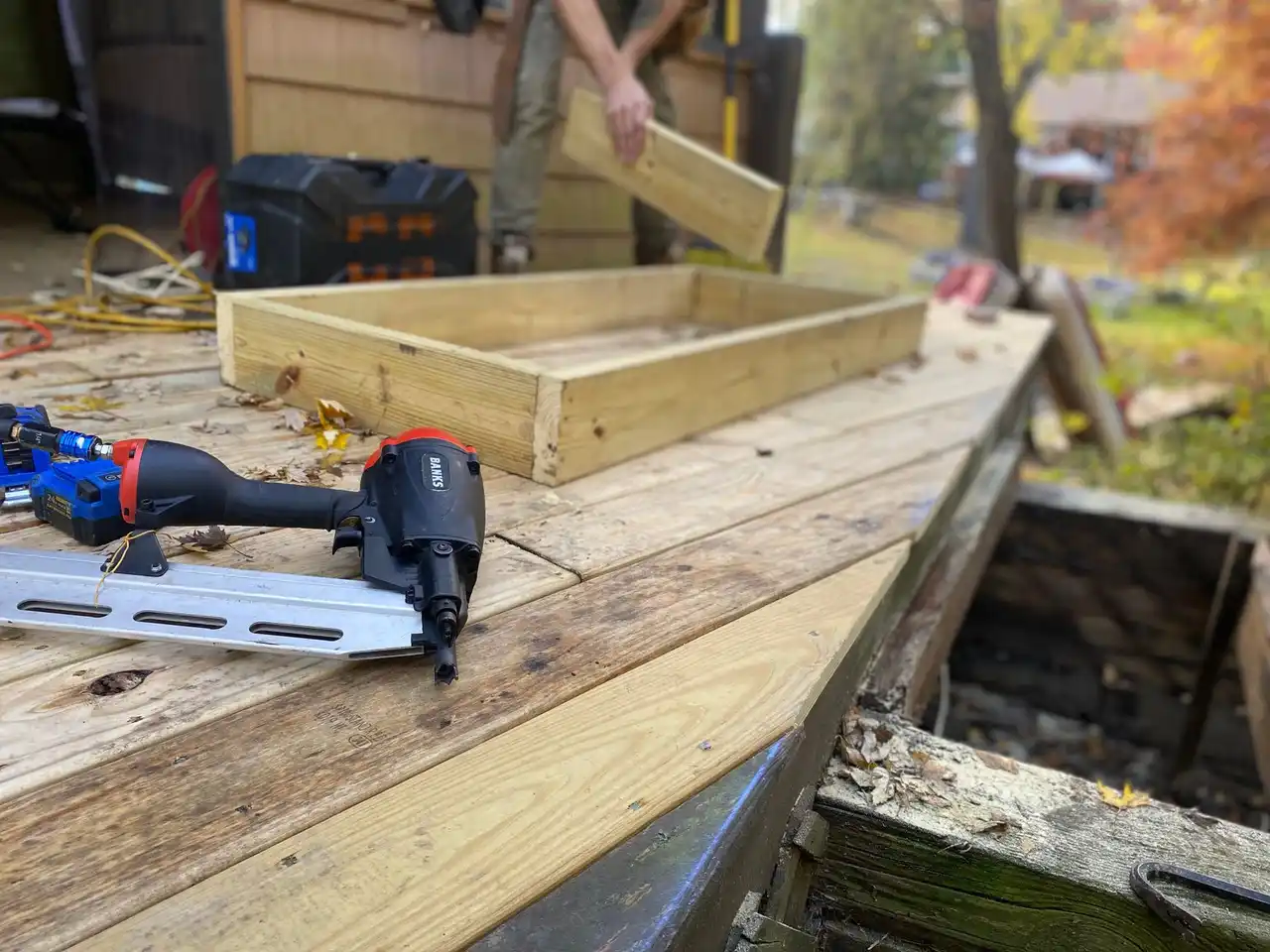
A practical standard for every visit.
Clear planningPrepared arrivalsCareful workLocal follow-through
Experience in the details
Local Experience You Can Verify
Our technicians hold IICRC WRT (Water Restoration Technician) and IICRC ASD (Applied Structural Drying) certifications, and we follow the IICRC S500 and S520 standards on every job. We carry a Virginia Class A Contractor License and EPA Lead-Safe Certification, which matters in Henrico's older housing stock where lead paint is common. We have dried out flooded basements in Varina, remediated crawl space mold in Highland Springs, and rebuilt storm-damaged roofs in Short Pump. Every crew member holds OSHA 10 training, and we work with FEMA guidelines when a declared disaster opens up federal assistance.
Where we work
One local team. A lot of ground covered.
Short PumpWest EndTuckahoeThree ChoptGlen AllenInnsbrookLaurelVarinaSandstonHighland SpringsChamberlayneBrookland
Check my address Notes from local customers
What Henrico Homeowners Say
A summer storm tore shingles off our roof and water ran down inside the wall for two days before we noticed. BlueRidge tarped the roof that night, found mold behind the drywall with a thermal camera, and had containment up by morning. Five days later the wall was dry, the mold was gone, and the rebuild matched perfectly. Insurance approved the whole scope.
Our basement flooded after a tropical storm and the musty smell started within a week. The crew pulled out soaked insulation, ran dehumidifiers for four days, and treated the joists. They documented everything for our adjuster and even helped us get the claim approved after our first contractor's estimate was denied. No mold has come back.
We manage several rentals in Henrico and had a crawl space fill with water after a storm. BlueRidge extracted the water, dried the joists, and remediated mold on the subfloor. They sent daily moisture readings, kept us updated, and finished in six days. We have used them on three more properties since.
Most residential storm mold jobs in Henrico run $1,800 to $6,500 in 2026, with small contained areas starting around $1,200 and large basement or crawl space losses exceeding $10,000. Cost depends on square footage affected, whether drywall and insulation must be removed, and whether rebuild is included. We provide a written scope before work starts so you know the number upfront.
Yes, in most cases. Virginia homeowners policies typically cover mold remediation when it results from a covered peril like wind damage, hail, or a storm-driven roof leak. The key is documentation: we photograph moisture readings, map the water source, and submit a scope in Xactimate format so your adjuster can approve the claim quickly. We work directly with most major carriers.
A typical Henrico storm mold job takes four to seven days from start to finish. Inspection and containment happen day one, removal and drying run days two through five, and final clearance plus minor rebuild wraps up days six and seven. Larger losses involving crawl spaces or full basements can run ten to fourteen days, especially if rebuild is included.
The best company is the one that shows up fast, documents the loss properly, and holds the certifications your insurance carrier recognizes. Look for IICRC WRT and ASD credentials, a Virginia Class A Contractor License, and experience with Xactimate claims. We carry all three, respond 24/7, and warranty our work. Call (804) 375-6073 and we will walk you through the scope.
Keep exploring
Related Services
Your next step is waiting
Call Now for Mold Remediation After Storm in Henrico, Virginia
Storm mold gets worse every day you wait. We answer the phone 24/7, dispatch a certified crew, and start drying the same day. One call and we handle the tarping, extraction, remediation, and insurance paperwork. Licensed, insured, and warrantied.
Start with the basics
Contact BlueRidge Storm Response
Call (804) 375-6073 any hour, any day. We answer live, dispatch the nearest crew, and give you a real ETA, not a callback promise. For non-emergency estimates, email us or use the form and we will schedule a same-day or next-day visit across Henrico.